Raw Material Information
Home > Raw Material Information

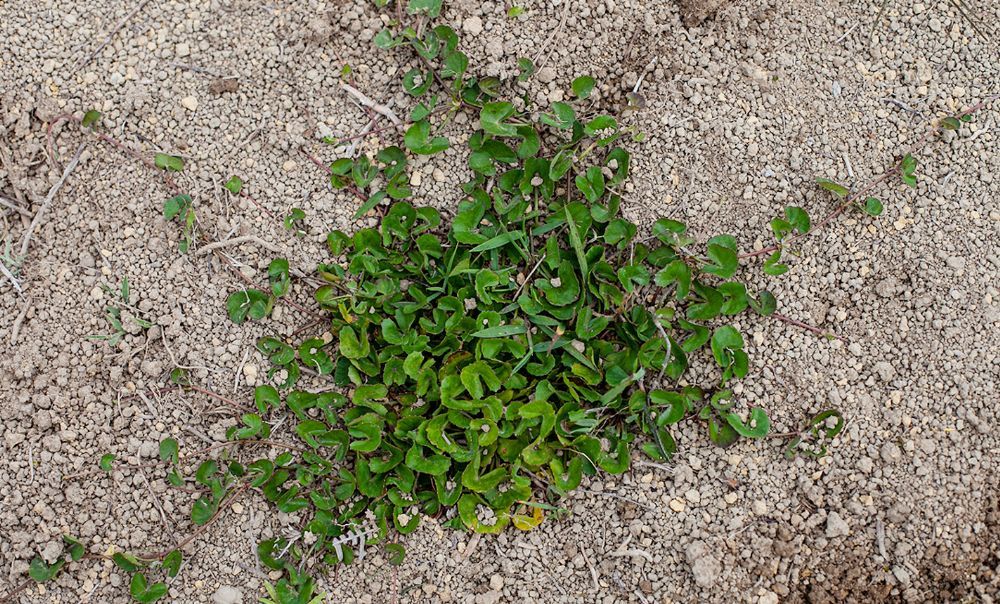
Centella Asiatica — Madagascar

Revered as “the healer of the skin,” Madagascar’s Centella asiatica thrives in pristine, fertile soils far from industrial pollution. The island’s ideal climate yields a plant rich in active triterpenes, long valued in traditional medicine for wound healing and soothing irritation. Today, Madagascar Centella is globally recognized for its potent skin-repairing properties and exceptional purity.

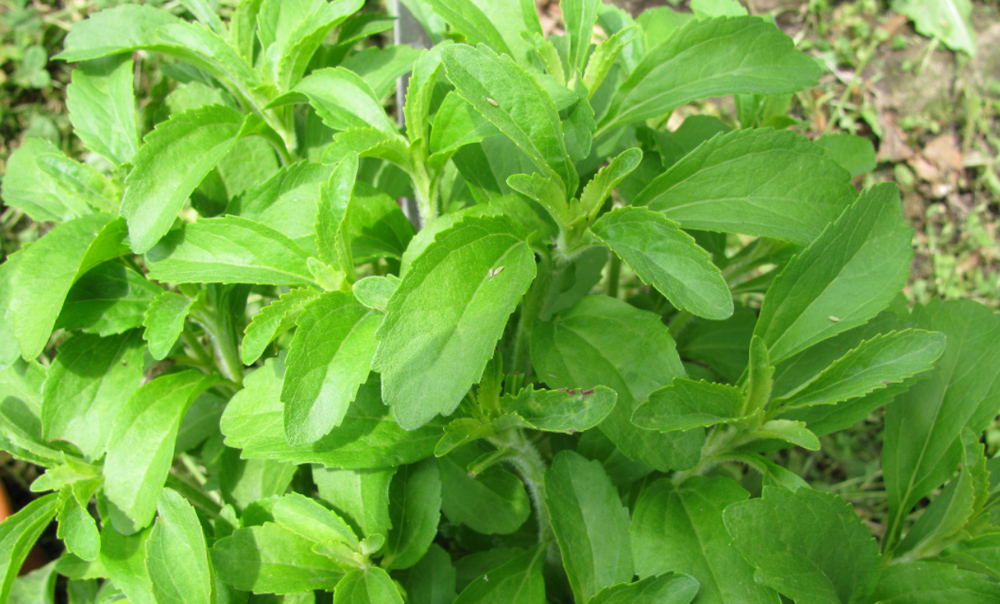
Stevia — Gansu, China

Grown along the edge of China’s Loess Plateau, Gansu stevia thrives under strong sun and sharp diurnal shifts, yielding leaves exceptionally rich in steviol glycosides. With a sweetness 200 times greater than sugar and zero calories, it is the gold standard in natural sweeteners—ideal for diabetic-friendly, clean-label nutrition.

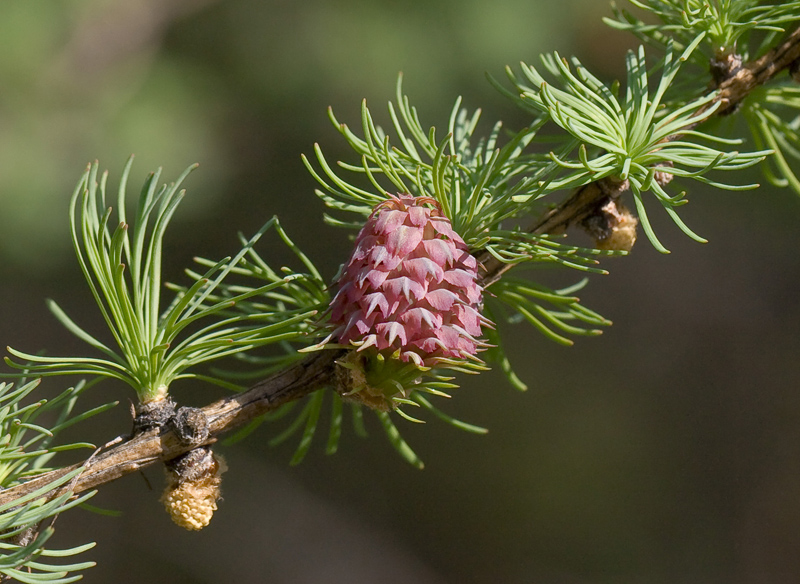
Dahurian Larch — Siberia

From the harsh forests of Siberia comes Dahurian Larch, a rare source of the antioxidant taxifolin. Evolved to survive extreme climates, this tree yields compounds prized in both traditional and modern wellness. Its extract is now at the forefront of heart health, anti-fatigue, and anti-glycation innovations across global supplement markets.

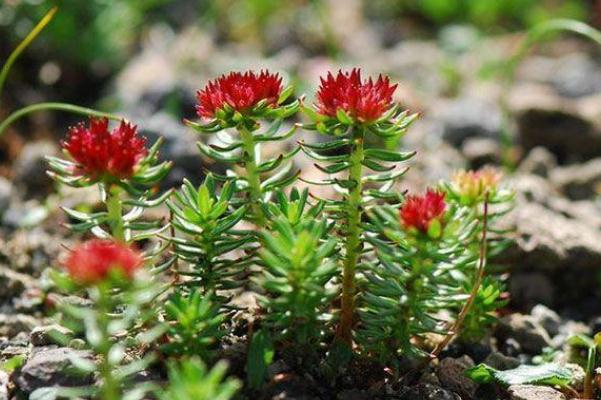
Rhodiola — Russia

Dubbed the “Ginseng of the North,” Rhodiola rosea from Russia flourishes under the crisp Baltic sun and sea breeze. Its roots accumulate powerful adaptogens like rosavin, long used to enhance stamina and resilience. Today, it’s a trusted ally in functional nutrition, helping modern lifestyles manage fatigue, stress, and mental clarity.

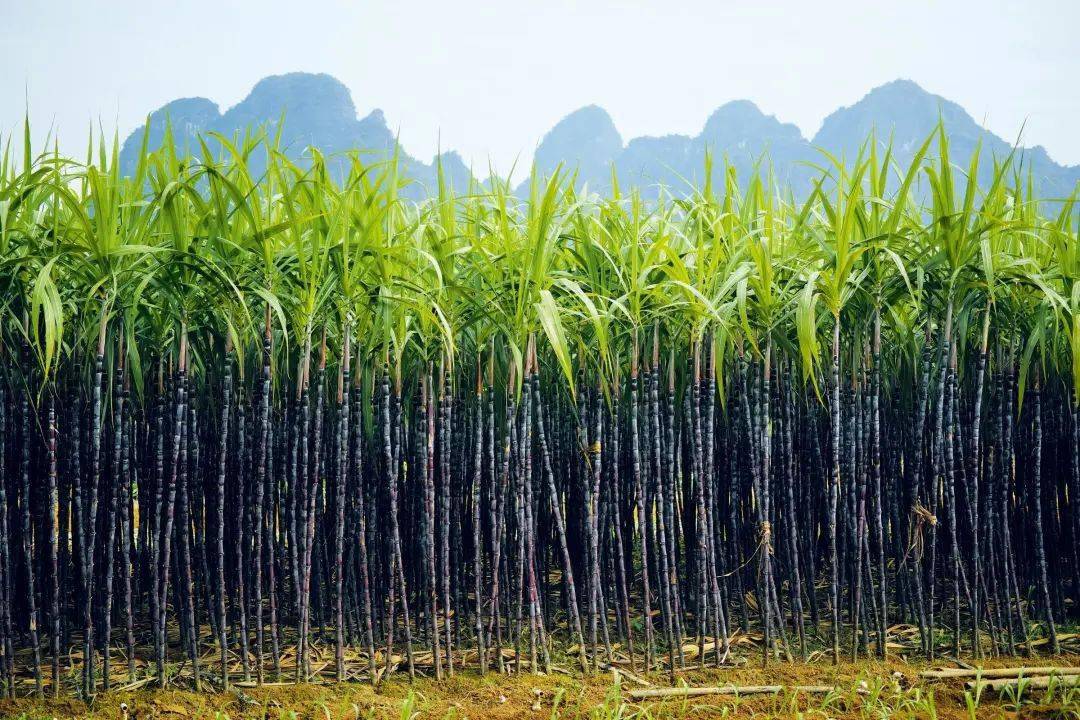
Sugarcane — Guangxi, China

In the lush subtropical region of Guangxi, sugarcane is cultivated under ideal conditions. From its byproducts—molasses and bagasse—comes a polyphenol-rich extract with proven antioxidant and liver-protective properties. Sugarcane polyphenols are widely used in foods and supplements for blood sugar balance and metabolic support, offering a sustainable solution from a renewable resource.

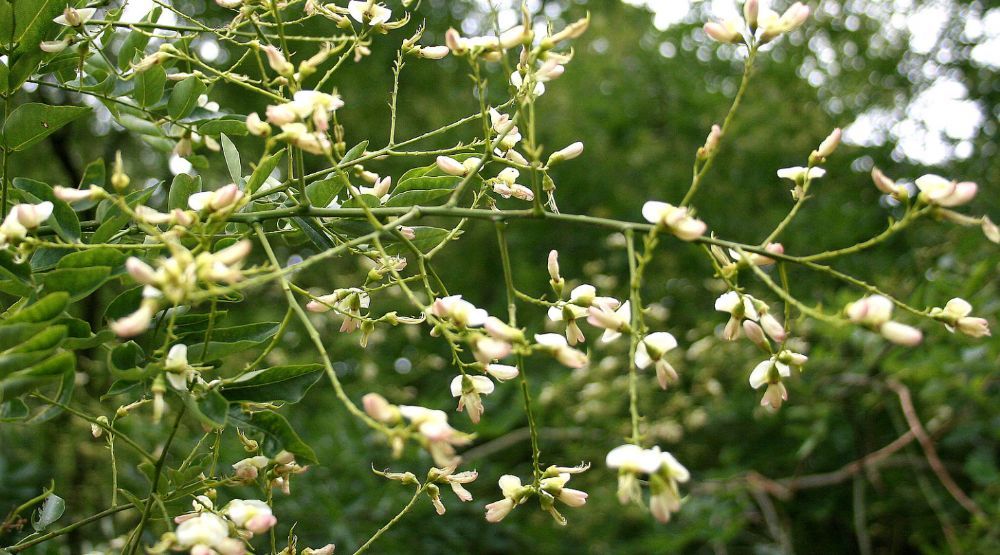
Sophora Japonica — Guangxi, China

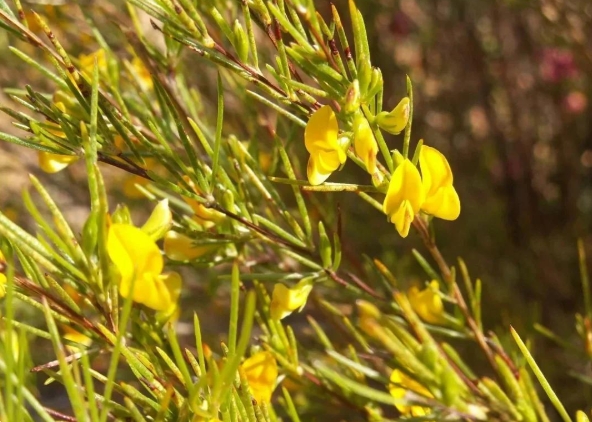
Grown in the warm, humid climate of Guangxi, Sophora japonica flower buds are a rich source of natural flavonoids—especially quercetin and rutin. During extraction, a rare sugar, rhamnose, is also obtained. Together, these compounds support antioxidant, cardiovascular, and skin-soothing applications across food, supplements, and cosmetics.

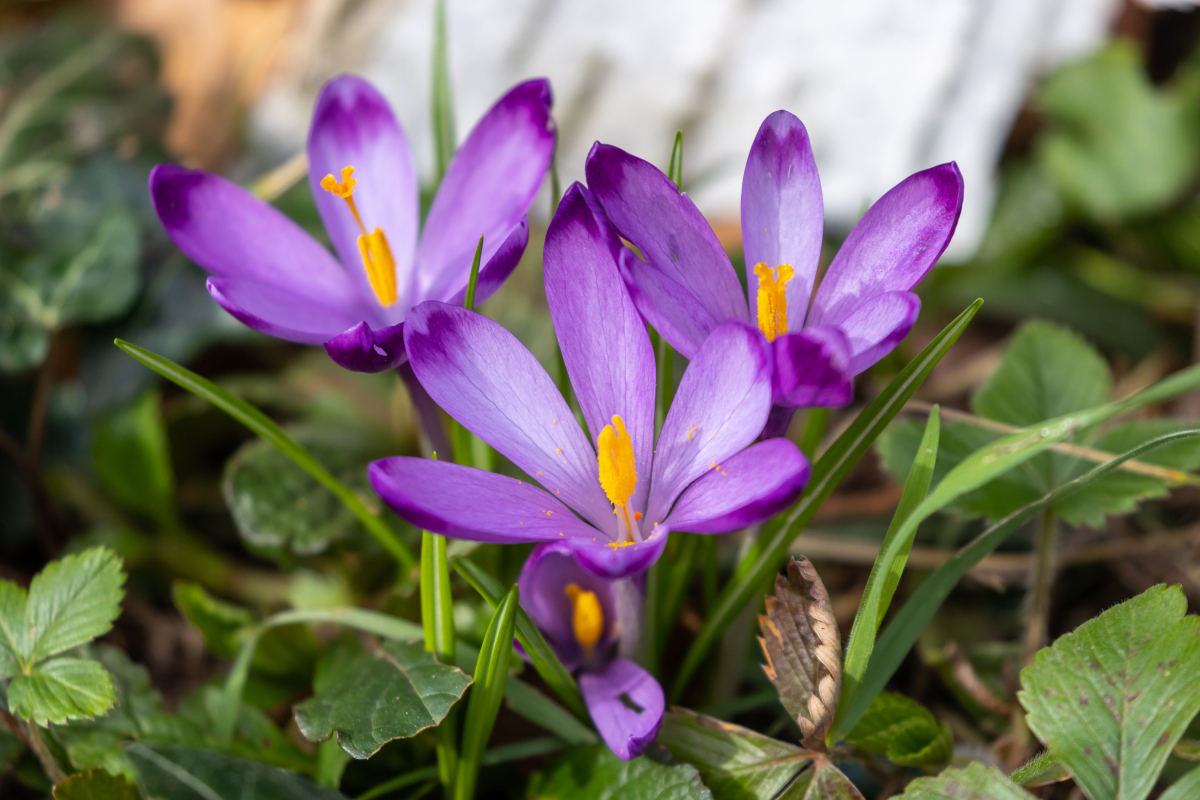
Saffron — Tibet, China

Grown at high altitudes in Tibet’s clean, cold air, saffron—often called “golden herb”—is rich in crocin and safranal. Traditionally used to invigorate the blood and restore balance, Tibetan saffron is now valued for its brightening, antioxidant, and anti-inflammatory effects, making it a coveted ingredient for gentle skin rejuvenation.

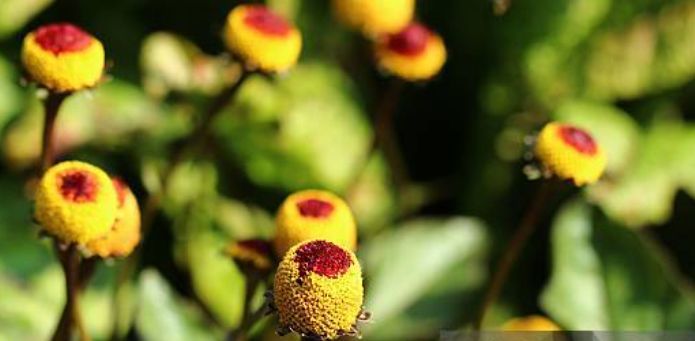
Acmella (Spilanthes) — Africa

Often called “nature’s Botox,” Acmella oleracea has long been used in traditional African medicine and oral care. Rich in spilanthol, its flower buds produce a mild tingling sensation and fast-acting muscle relaxation. In skincare, Acmella extract is celebrated for smoothing expression lines and firming the skin—an all-natural alternative to injectables.

Rooibos — South Africa

Native to the Cederberg Mountains of South Africa, rooibos—also known as the country’s “national treasure”—is a naturally caffeine-free herb prized for its high polyphenol content. Traditionally enjoyed as a calming tea, its extract is now widely used for its powerful antioxidant and soothing properties, earning it the title of “natural free radical scavenger.”

Baobab — Madagascar

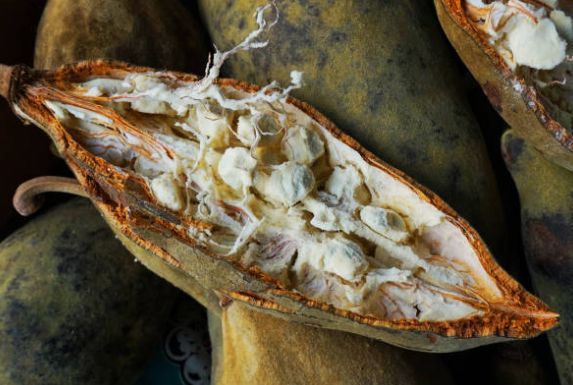
Known as the “Tree of Life,” Madagascar’s iconic baobab trees produce nutrient-dense fruit with a rich tradition of use in African medicine and nutrition. The dried pulp is crafted into revitalizing drinks and balms, valued for its antioxidant content and symbolic connection to wisdom and longevity in local culture.

© Nanning Xingjing Technology Co., Ltd. All Right Reserved.